


The nose sits at the centre of the face. Because of this, even small changes in its shape or structure can have a noticeable impact on overall facial balance. For many people, concerns about the nose are not necessarily about dramatic transformation but rather about subtle refinement. A small bump, asymmetry, or a lack of definition can sometimes affect confidence more than expected.
In the past, surgical rhinoplasty was the only option for altering the nose. Today, however, advances in aesthetic medicine have introduced another approach: non-surgical rhinoplasty, sometimes referred to as a liquid nose job. This treatment uses carefully placed dermal fillers to reshape certain aspects of the nose without surgery.
Both surgical and non-surgical rhinoplasty can produce excellent results, but they serve different purposes. Understanding when to choose an aesthetic approach and when surgery may be the better option is key to achieving natural and balanced results.
At FACEMED, located in Crays Hill, Billericay, Essex, the focus is always on a consultation-led approach. Rather than recommending one treatment universally, the medical team evaluates facial structure, patient goals, and anatomical considerations before advising on the most suitable option.
For patients researching nose treatments, understanding the difference between non-surgical rhinoplasty and surgical rhinoplasty can help guide a confident decision.
Understanding Rhinoplasty: What Does It Involve?
Rhinoplasty is a procedure designed to alter the shape or structure of the nose.
The reasons patients consider rhinoplasty vary widely. Some are concerned about aesthetic features such as a dorsal hump or a slightly drooping nasal tip. Others may have functional concerns related to breathing or previous injury.
Rhinoplasty procedures generally fall into two categories:
- Non-surgical rhinoplasty, using injectable treatment
- Surgical rhinoplasty, performed by a surgeon
Each approach has distinct benefits, limitations, and recovery considerations.
What Is Non-Surgical Rhinoplasty?
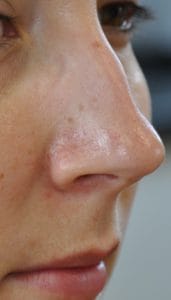
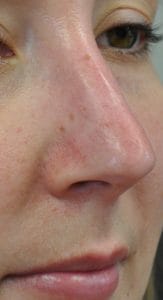
Performed by our long-standing consultant plastic surgeon Monica Fawzy, non-surgical rhinoplasty uses dermal fillers to reshape specific areas of the nose.
By carefully placing filler beneath the skin, practitioners can smooth irregularities, improve symmetry, and refine the profile of the nose. The treatment typically takes around 20 to 30 minutes and involves minimal downtime.
At FACEMED, non-surgical rhinoplasty is performed using advanced techniques designed to enhance facial harmony rather than dramatically change the nose.
What Concerns Can Non-Surgical Rhinoplasty Address?
Non-surgical rhinoplasty is particularly effective for certain aesthetic concerns, including:
- Smoothing the appearance of a dorsal hump
- Improving nasal symmetry
- Enhancing definition of the nasal bridge
- Lifting a slightly drooping nasal tip
- Creating a straighter side profile
Because the treatment adds volume rather than removing it, it works best for refinement rather than reduction.
Benefits of Non-Surgical Rhinoplasty
There are several reasons why patients choose non-surgical rhinoplasty.
These include:
- No surgery required
- Minimal downtime
- Immediate results
- Reversible treatment options
- Lower initial cost compared to surgery
For patients seeking subtle improvements or wishing to explore how changes may affect their appearance, non-surgical rhinoplasty can be an excellent option.
However, it is important to recognise that this treatment has limitations.
When Surgery May Be the Better Option
While non-surgical rhinoplasty can refine certain aspects of the nose, it cannot reduce the size of the nose or correct structural issues affecting breathing.
In cases where patients want to make more significant changes, surgical rhinoplasty may be the most appropriate approach.
What Surgical Rhinoplasty Can Address
Surgical rhinoplasty can correct concerns such as:
- Large dorsal humps
- Wide nasal bridges
- Large or bulbous nasal tips
- Breathing difficulties
- Deviated septum
- Previous nasal injuries
Because surgery alters the underlying bone and cartilage structure, it allows for more comprehensive reshaping of the nose.
The Long-Term Benefits of Surgical Rhinoplasty
One of the main advantages of surgical rhinoplasty is that results are permanent.
While non-surgical treatments typically last between 12 and 18 months, surgery permanently reshapes the nose.
For patients seeking structural changes or long-term correction, surgery may provide the most suitable solution.
Comparing Non-Surgical and Surgical Rhinoplasty
Although both procedures aim to improve the appearance of the nose, their approaches differ significantly.
Non-Surgical Rhinoplasty
- Uses dermal fillers
- Minimal downtime
- Results visible immediately
- Temporary results
- Best for subtle reshaping
Surgical Rhinoplasty
- Alters bone and cartilage structure
- Requires recovery time
- Permanent results
- Suitable for structural changes
- Can address breathing issues
Understanding these differences helps patients choose the option that aligns best with their goals.
The Importance of Facial Balance
One of the key principles of modern aesthetic medicine is that the nose should be considered within the context of the entire face.
A small change to the nose can influence how other features appear. For example, refining the nasal bridge may enhance the appearance of the eyes or balance the proportions of the chin.
At FACEMED, treatment planning focuses on facial harmony rather than isolated correction.
In some cases, treatments that enhance surrounding features can complement rhinoplasty results. For example, advanced skin rejuvenation treatments or subtle facial balancing procedures may help create a more harmonious overall appearance.
Patients exploring options through FACEMED surgical and aesthetic treatments often benefit from this broader perspective.
Why Consultation Is Essential
Every nose is unique.
Factors such as skin thickness, cartilage structure, and facial proportions all influence which treatment will produce the best outcome.
During a consultation at FACEMED, the surgeon carefully assesses:
- Nasal structure
- Skin thickness
- Facial proportions
- Patient expectations
This allows the practitioner to recommend the most appropriate approach while ensuring realistic expectations.
Patients considering treatment can book a consultation at FACEMED to discuss their goals and explore suitable options.
Choosing the Right Approach for You
The decision between non-surgical and surgical rhinoplasty ultimately depends on the individual.
For patients seeking subtle refinement without downtime, non-surgical rhinoplasty can offer impressive results.
For those wishing to reduce the size of the nose, correct breathing issues, or make more significant structural changes, surgical rhinoplasty may be the better choice.
What matters most is choosing a practitioner who prioritises safety, careful planning, and natural-looking outcomes.
At FACEMED, the goal is always to enhance facial balance while preserving the individuality that makes each patient unique.
Located in Crays Hill, Billericay, Essex, the medical centre provides a consultation-led approach to aesthetic medicine that supports thoughtful decision-making and personalised treatment planning.
FAQs
What is the difference between non-surgical and surgical rhinoplasty?
Non-surgical rhinoplasty uses dermal fillers to reshape certain areas of the nose without surgery, while surgical rhinoplasty involves altering the bone and cartilage structure of the nose.
How long does non-surgical rhinoplasty last?
Results typically last between 12 and 18 months depending on the type of filler used and the individual’s metabolism.
Is non-surgical rhinoplasty safe?
When performed by experienced medical professionals, non-surgical rhinoplasty can be safe and effective. However, it should always be carried out by qualified practitioners.
Does surgical rhinoplasty require downtime?
Yes. Surgical rhinoplasty requires recovery time, and swelling may take several weeks or months to fully resolve.
Can non-surgical rhinoplasty fix breathing problems?
No. Breathing issues caused by structural problems generally require surgical rhinoplasty to correct.


