Non-surgical aesthetic treatments have transformed how we approach ageing. Anti-wrinkle injections, dermal fillers, skin boosters and energy-based devices can refine features, improve skin quality and soften early signs of ageing. For many patients, these treatments work extremely well for years. However, they are not limitless. There comes a point where tweakments can no longer compensate for structural change, tissue descent or true skin laxity.
At FACEMED, we see this transition frequently. Patients often arrive frustrated, feeling they are “doing everything” yet no longer seeing the improvements they expect. This article explains how to recognise when non-surgical treatments have reached their ceiling, why continuing them can compromise results, and when surgery becomes the more appropriate, ethical and predictable option. The goal is not to promote surgery, but to guide informed, long-term decision making through consultant-led consultation.
What are Tweakments – and Where Do They Work Best?
Anti-wrinkle treatments, dermal fillers, skin boosters and devices explained.
Tweakments is a collective term for non-surgical aesthetic treatments. These include anti-wrinkle injections to soften muscle-driven lines, dermal fillers to restore or support volume, skin boosters to improve hydration and elasticity, and energy-based devices that stimulate collagen or tighten tissue.
Used appropriately, these treatments can deliver refined, natural-looking improvement with minimal downtime. They are particularly effective when changes are mild to moderate and when facial structure is still largely intact.
The role of injectables in early ageing and preventative aesthetics.
In early ageing, non-surgical treatments work preventatively. Small, strategic interventions can slow visible ageing by supporting skin quality and maintaining balance as collagen production declines. This approach suits patients who want subtle change rather than dramatic alteration.
Why tweakments are designed to refine, not replace anatomy.
What tweakments cannot do is replace anatomy. They do not reposition descended tissue, tighten significantly lax skin or recreate lost structural support. Their role is refinement, not reconstruction. Understanding this distinction is essential when deciding what comes next.
Why Non-Surgical Treatments have a Ceiling.
Ageing is structural, not just surface-level.
Ageing affects skin, fat, muscle and ligaments. Over time, facial fat pads descend, ligaments weaken and skin loses elasticity. These changes are three-dimensional and structural. Surface treatments alone cannot correct them.
Skin laxity vs volume loss vs tissue descent.
Volume loss can often be improved with filler when used conservatively. Skin quality can be enhanced with devices or skin boosters. Tissue descent, however, requires repositioning. No injectable or device can lift descended structures back to their original position.
Why adding more filler does not equal lifting.
A common misconception is that more filler will create lift. In reality, excess filler often adds weight, contributing to heaviness and distortion. This is how patients develop an overfilled or puffy appearance despite ongoing treatment.
Clinical Signs You May Have Outgrown Non-Surgical Options.
Persistent lower face heaviness or jowling.
When jowls and lower face heaviness persist despite tightening devices or filler support, it often indicates ligament laxity and tissue descent that requires surgical correction.
Neck laxity that no longer responds to tightening devices.
Energy-based devices can improve mild neck laxity. When skin hangs, creases deeply or bands prominently, surgery becomes the only predictable option.
Mid-face descent despite repeated filler.
Repeated mid-face filler with diminishing improvement is a red flag. Volume is no longer the issue. Position is.
A “puffy” or overfilled appearance with diminishing returns.
If results look less natural over time, despite careful treatment, it may be because non-surgical options are being pushed beyond their indication.
Treatments lasting shorter periods or looking inconsistent.
When results fade quickly or vary significantly between sessions, tissue quality and anatomy may no longer support injectable-based correction.
When Continuing Tweakments can Work Against you.
Over-volumisation and facial distortion.
Excessive filler can distort facial proportions and compromise natural movement. Correcting this later is more complex than stopping at the right time.
Compromised tissue quality over time.
Repeated injections into compromised tissue can reduce skin quality and elasticity, making future correction more challenging.
The emotional toll of chasing subtle improvements.
There is a psychological cost to constant maintenance with limited return. Ethical practice includes recognising when to pause and reassess direction.
Surgery is Not a Failure – It’s Progression.
How surgical procedures address root causes, not symptoms.
Surgery repositions tissue, tightens skin and restores structure. It treats the cause of visible ageing rather than masking its effects.
Natural-looking surgical outcomes vs repeated injectable camouflage.
Modern surgical techniques focus on subtlety and preservation of identity. When performed well, results look rested and balanced, not operated on.
Longevity, predictability and structural correction.
Surgical outcomes last significantly longer than non-surgical alternatives. This predictability appeals to patients seeking long-term solutions rather than constant upkeep.
Common Surgical Procedures Considered After Tweakments.
Facelift and neck lift surgery.
These procedures reposition descended tissue, redefine the jawline and improve neck contour. They address structural ageing directly.
Blepharoplasty for eye ageing
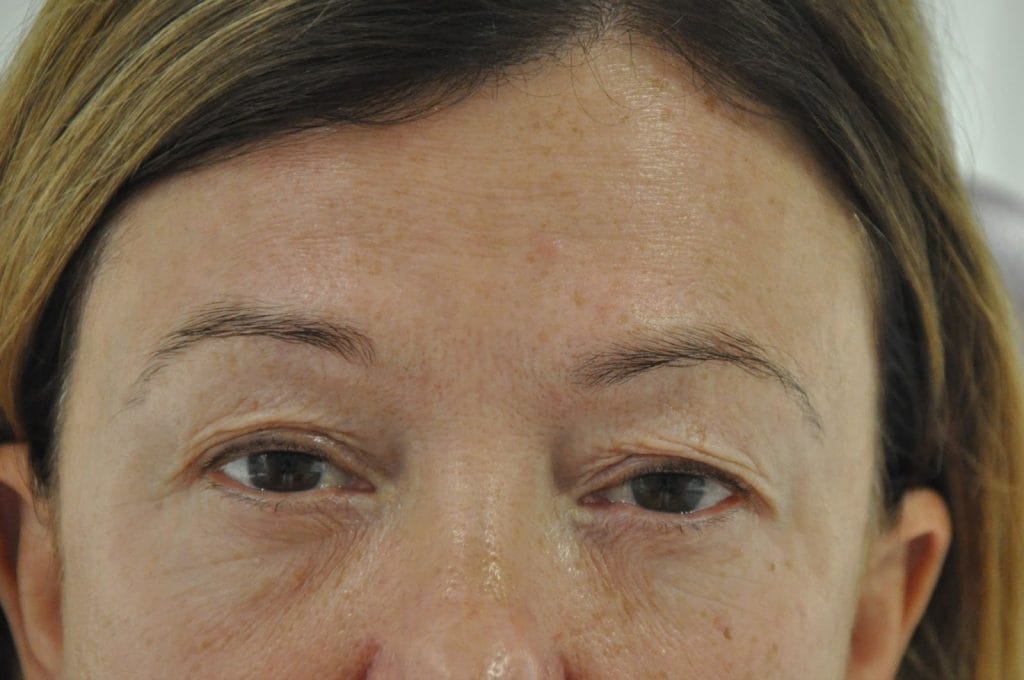
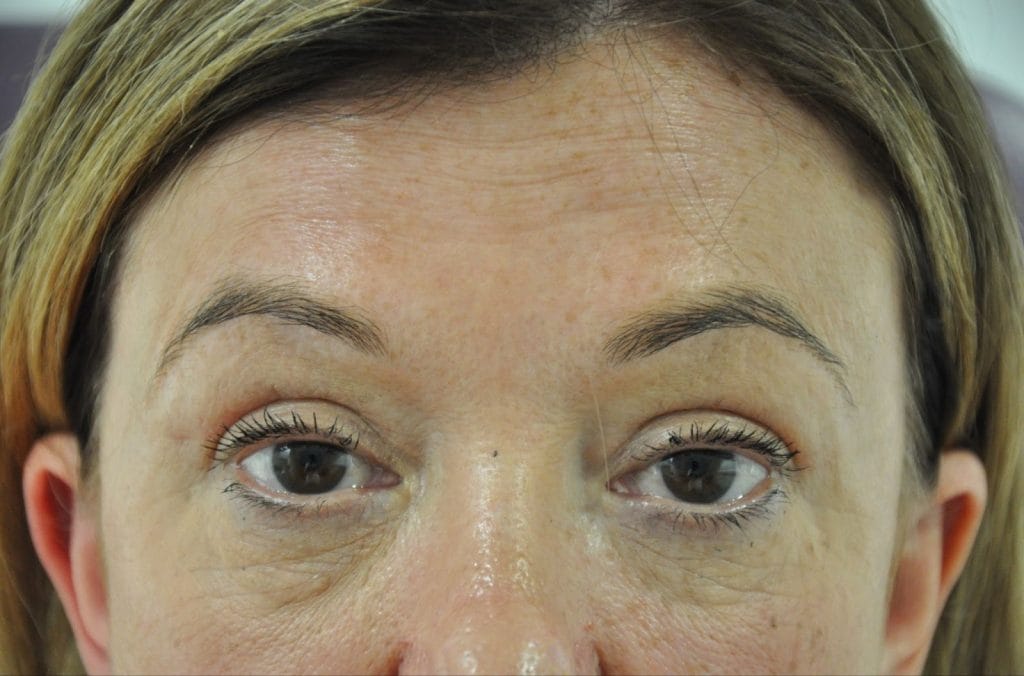
Eyelid surgery removes excess skin and fat that cannot be corrected with injectables, restoring a fresher eye appearance.
Body procedures after weight loss or ageing.
Skin laxity on the body often requires surgical excision to achieve meaningful improvement.
Combining surgery with subtle non-surgical refinement.
Surgery and non-surgical treatments are not opposites. They work best together when used appropriately. Surgical correction establishes structure. Injectables, then refine and maintain.
For an overview of options, visit our surgical procedures for long-term correction section.
How FACEMED Approaches the Surgical Conversation.
Consultation-led, not treatment-led
Every decision at FACEMED begins with consultation. We assess anatomy, skin quality, medical history and goals before discussing any treatment pathway.
Objective assessment, not trend-driven decisions.
We do not chase trends. We base recommendations on anatomy, ageing patterns and evidence.
When we advise against further injectables.
Advising against treatment is part of ethical care. When injectables are no longer appropriate, we say so clearly and explain why.
Non-Surgical vs Surgical: Making the Right Decision for You.
Age is not the deciding factor.
Chronological age matters less than tissue quality, structure and expectations.
Skin quality, anatomy and goals matter more.
Two patients of the same age may require entirely different approaches. Individual assessment is key.
Why honesty in consultation protects long-term outcomes.
Transparent discussion prevents over-treatment and protects facial integrity over time.
Final Thoughts: Choosing What Will Actually Serve You Long-Term.
Outgrowing tweakments is not a failure. It is a natural progression of ageing and aesthetic care. Knowing when to transition from non-surgical treatments to surgery protects results, preserves natural appearance and often brings relief after years of maintenance with diminishing returns.
At FACEMED, we prioritise long-term outcomes over short-term fixes. If you feel your treatments are no longer delivering what they once did, a consultant-led consultation can provide clarity, direction and a plan that genuinely serves you.
Book your initial consultation today.
FAQs
When should I consider cosmetic surgery instead of fillers?
When fillers no longer improve contour, last for shorter periods, or create heaviness rather than lift.
Can too much filler make ageing look worse?
Yes. Over-volumisation can distort proportions and accelerate a tired or puffy appearance.
Is surgery safer than continuing injectables long term?
When appropriately indicated and performed by qualified surgeons, surgery can be more predictable and protective of tissue integrity.
Can I still have non-surgical treatments after surgery?
Yes. Surgery and injectables often work best together when each is used correctly.
How do I know what is right for me?
A consultation-led assessment considering anatomy, skin quality and goals is essential.