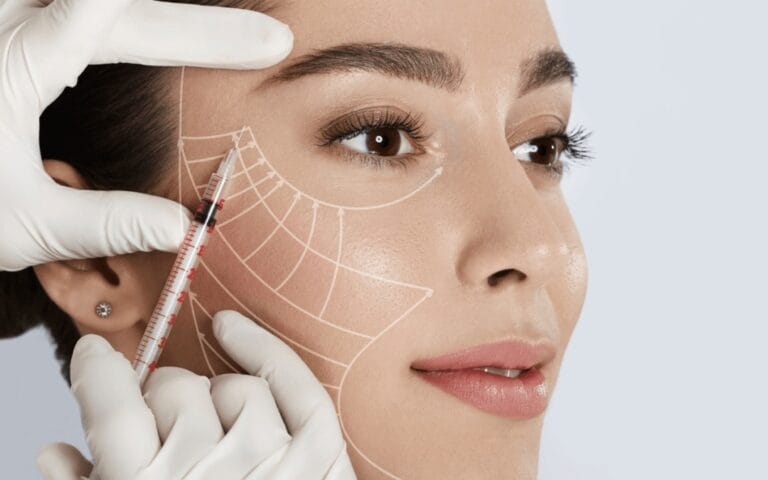
Ageing is often associated with changes in the skin. Fine lines appear, elasticity reduces, and the complexion gradually loses its youthful firmness. Yet one of the most overlooked contributors to facial ageing lies deeper than the skin itself. The structure of the face is supported by bone, teeth, and underlying tissue, all of which play a crucial role in maintaining a balanced and youthful appearance.
When teeth are lost, the effects go far beyond the smile. The jawbone begins to shrink, facial support weakens, and the lower face can gradually collapse inward. Over time, this can lead to a sunken appearance, deeper folds around the mouth, and changes in overall facial proportions.
For many patients, the solution lies not in cosmetic treatments alone but in restoring the foundation of the face. Dental implants offer a powerful way to rebuild lost structure while also improving function, confidence, and facial balance.
At FACEMED, this structural approach to ageing aligns with the clinic’s philosophy of treating the face holistically. Rather than focusing on a single concern, the goal is to restore harmony between the skin, soft tissue, and underlying structure.
Understanding how dental implants influence facial ageing can help patients make more informed decisions about both their oral health and their overall appearance.
Why Tooth Loss Accelerates Facial Ageing
Teeth do more than allow us to chew and speak clearly. They also play an essential role in maintaining the shape and support of the face.
When a tooth is lost, the bone that once supported it begins to deteriorate. This process, known as bone resorption, occurs because the jaw no longer receives the stimulation normally provided by the tooth root.
Over time, bone loss can lead to several visible changes:
- A narrower jawline
- A sunken lower face
- Increased lines around the mouth
- Changes in lip support
- Premature ageing of the facial profile
This is why missing teeth often contribute to the appearance of an older face, even when the skin itself remains relatively healthy.
For patients exploring holistic approaches to facial ageing, restoring structural support can be just as important as treating the skin.
What Are Dental Implants?

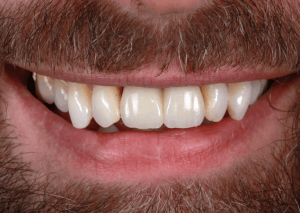
Before & After: Treatment completed by Dr Alex Hadley
Dental implants are widely considered the most advanced solution for replacing missing teeth.
Unlike traditional dentures or bridges, implants replace both the visible tooth and the root beneath the gum. A small titanium post is placed into the jawbone, where it integrates with the bone over time. This post acts as an artificial tooth root, supporting a custom-made crown designed to match the surrounding teeth.
The result is a replacement tooth that looks, feels, and functions much like a natural tooth.
Because implants stimulate the jawbone in a similar way to natural teeth, they help prevent the bone loss that commonly occurs after tooth extraction.
This structural support plays a key role in maintaining facial volume and youthful proportions.
You can explore dental implants further here.
How Dental Implants Help Preserve Facial Structure
One of the most important benefits of dental implants is their ability to preserve bone density.
When the jawbone continues to receive stimulation through chewing forces transmitted via the implant, it maintains its strength and volume. This helps prevent the gradual collapse of facial structure that often follows tooth loss.
Maintaining bone structure helps support:
- The cheeks
- The lips
- The jawline
- The lower facial profile
Without this support, the lower face can appear shorter, thinner, and more aged.
By restoring the underlying foundation, dental implants can subtly improve facial proportions and help maintain a more youthful appearance.
The Connection Between Dental Health and Aesthetic Medicine
In recent years, aesthetic medicine has increasingly embraced a holistic approach to facial rejuvenation.
Rather than focusing solely on surface-level treatments, practitioners are considering how deeper structural factors influence facial ageing.
This includes the relationship between:
- Bone structure
- Soft tissue volume
- Skin quality
- Dental support
When one of these elements changes, it affects the others.
For example, restoring lost dental support may improve the balance of the lower face, while aesthetic treatments such as advanced skin rejuvenation treatments can enhance skin quality and elasticity.
This integrated approach allows practitioners to address facial ageing more comprehensively.
Patients exploring options through FACEMED surgical and aesthetic treatments often benefit from this broader perspective on facial health and structure.
Functional Benefits of Dental Implants
While the aesthetic benefits of dental implants are significant, their primary purpose remains functional restoration.
Missing teeth can affect everyday activities such as eating and speaking. Some patients find themselves avoiding certain foods or feeling self-conscious about their smile.
Dental implants help restore:
- Natural chewing ability
- Clear speech
- Balanced bite alignment
- Confidence when smiling
Because implants are fixed securely within the jawbone, they provide greater stability than removable dentures.
For many patients, this improvement in function can have a meaningful impact on quality of life.
Are Dental Implants Suitable for Everyone?
Dental implants are suitable for many adults who have lost one or more teeth. However, certain factors influence whether the treatment is appropriate.
These include:
- Overall oral health
- Adequate bone density in the jaw
- Healthy gums
- General medical health
In some cases, additional procedures such as bone grafting may be recommended to create a stable foundation for implants.
A comprehensive consultation is essential to determine the most suitable treatment approach.
Patients interested in exploring their options can book a consultation at FACEMED to discuss their concerns and receive personalised advice.
The Long-Term Benefits of Dental Implants
Dental implants are designed to provide a long-lasting solution to tooth loss.
With appropriate care and good oral hygiene, implants can last many years, often decades. Regular dental check-ups and professional maintenance play an important role in ensuring their longevity.
The long-term benefits extend beyond oral health. By preserving bone structure and facial balance, implants can help maintain a more youthful facial profile over time.
For patients concerned about both function and facial ageing, this combination of benefits makes dental implants an attractive option.
Supporting Facial Ageing With a Holistic Approach
At FACEMED,the philosophy of care centres on treating the face as a complete structure rather than focusing on individual concerns in isolation.
This means considering how skin, bone, teeth, and soft tissue work together to influence appearance.
By addressing structural changes such as tooth loss while also supporting skin health and facial balance, practitioners can help patients achieve results that feel natural and harmonious.
For many individuals, restoring dental support becomes an important part of maintaining both facial function and youthful structure.
FAQs
Do dental implants make your face look younger?
Dental implants can help preserve the structure of the jawbone, which supports the lips, cheeks, and lower face. By preventing bone loss, implants can help maintain a more youthful facial appearance.
How do dental implants prevent bone loss?
Dental implants replace the tooth root and transmit chewing forces into the jawbone. This stimulation helps maintain bone density and prevents the bone from shrinking over time.
Are dental implants permanent?
Dental implants are designed to be a long-term solution. With proper care and maintenance, they can last many years or even decades.
Is the dental implant procedure painful?
The procedure is typically performed with local anaesthetic, meaning patients should not feel pain during treatment. Some mild discomfort may occur during recovery.
How long does the dental implant process take?
The entire process can take several months, as time is required for the implant to integrate with the jawbone before the final crown is placed.