Planning a wedding involves countless decisions, from the venue and dress to the smallest finishing touches that bring the day together. Yet one detail often overlooked in the early stages of planning is when to begin preparing your skin and aesthetic treatments.
Many brides assume that glowing skin can be achieved with a facial a few days before the wedding. In reality, the most natural and radiant results usually come from a well-planned timeline of treatments that support the skin gradually over several months.
Healthy skin, balanced facial proportions, and refined features rarely happen overnight. They develop through thoughtful treatment planning that allows the skin to regenerate, heal, and improve progressively.
At FACEMED, this consultation-led philosophy ensures every bridal patient follows a personalised plan designed to deliver subtle, natural results in time for their wedding day.
Whether the goal is clearer skin, improved texture, facial harmony, or simply feeling confident walking down the aisle, understanding the bridal beauty timeline can make all the difference.
Why Planning Your Treatments Early Matters
The most successful aesthetic results are rarely rushed.
Many treatments stimulate biological processes such as collagen production, skin renewal, and tissue regeneration. These changes develop gradually, which means starting treatments early allows the skin and face to improve naturally over time.
Beginning early also provides flexibility. If adjustments are needed, there is plenty of time to refine the treatment plan.
This approach avoids last-minute stress while ensuring that results look natural rather than overdone.
For brides searching for natural bridal beauty treatments, planning ahead allows practitioners to support the skin and facial structure without dramatic or rushed interventions.
12 Months Before the Wedding: The Foundation Stage
For brides who want the most comprehensive results, beginning aesthetic planning around 9 to 12 months before the wedding allows time to build the healthiest possible foundation.
During this stage, the focus is on skin health and long-term improvement.
A consultation at FACEMED typically includes an assessment of skin condition, facial structure, and lifestyle factors that influence the complexion.
Treatment plans at this stage may include:
- Medical-grade skincare routines
- Skin analysis and personalised treatment planning with Observe 520x – an advanced skin imaging system that provides a detailed analysis of both the surface and deeper layers of your skin
- Collagen-stimulating treatments
- Long-term skin rejuvenation strategies
Treatments that stimulate collagen production, such as microneedling or radiofrequency skin rejuvenation, work gradually and benefit from several months of progressive improvement. This early phase ensures the skin is healthy and resilient before moving on to refinement treatments closer to the wedding.
6 Months Before the Wedding: Refining Skin Quality
At the six-month mark, many brides begin focusing on treatments designed to improve skin tone, texture, and radiance.
This stage is particularly useful for addressing concerns such as:
- Acne scarring
- Uneven pigmentation
- Enlarged pores
- Dull or tired skin
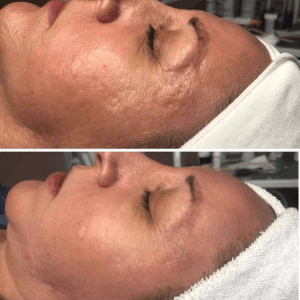
Professional treatments such as chemical peels and microneedling are often recommended during this stage because they stimulate skin renewal and collagen production.
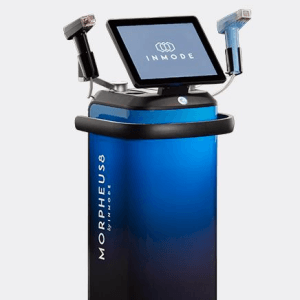
For example, technologies like Morpheus8 combine traditional microneedling with radiofrequency energy to stimulate deeper collagen remodelling. According to manufacturer data, this controlled delivery of energy helps improve skin texture, firmness, and overall skin quality over time.
When performed as part of a structured plan, these procedures gradually enhance the skin without creating sudden changes.
3 Months Before the Wedding: Facial Harmony and Subtle Enhancements
Three months before the wedding is often the ideal time to refine facial balance.
Subtle aesthetic treatments can help enhance natural features while maintaining a fresh and elegant appearance.
Depending on individual concerns, treatment plans may include:
- Skin booster treatments to improve hydration
- Collagen-stimulating injectables such as Sculptra
- Subtle anti-wrinkle treatments
- Continued skin resurfacing treatments
Collagen-stimulating treatments such as Sculptra and Radiesse work by encouraging the body to produce its own collagen, gradually restoring volume and improving skin structure.
Because results develop progressively, beginning these treatments several months before the wedding allows improvements to appear naturally.
The goal during this stage is refinement rather than transformation.
1 Month Before the Wedding: Skin Brightening and Maintenance
With one month remaining, the focus shifts towards maintaining results and ensuring the skin looks luminous and healthy.
At this stage, practitioners typically recommend treatments such as Hydrafacial which are designed to refresh the complexion without causing irritation or downtime.
These procedures help enhance glow and hydration while supporting the skin barrier.
Avoiding new or unfamiliar treatments during this stage is important, as the skin should already be responding well to the established treatment plan.
1 Week Before the Wedding: The Final Glow
The final week before the wedding is about maintaining calm, healthy skin rather than introducing significant changes.
Treatments during this stage are typically limited to gentle skin support therapies, such as hydration facials or calming LED treatments.
The goal is simply to enhance the natural glow already achieved through months of preparation.
A well-planned treatment journey means that by the final week, the skin already looks balanced, refreshed, and radiant.
Why Natural Results Matter for Wedding Aesthetics
Bridal aesthetics should never feel dramatic or artificial.
The most beautiful results are those that look timeless in photographs and natural in person.
A gradual treatment plan allows changes to develop subtly so that friends and family notice how radiant the bride looks, rather than noticing specific treatments.
This philosophy aligns with the consultation-led approach at FACEMED, where treatments are carefully tailored to enhance rather than alter a patient’s natural features.
A Consultation-Led Bridal Plan at FACEMED
Every bridal journey at FACEMED begins with a personalised consultation.
During this appointment, practitioners evaluate skin health, facial proportions, and individual concerns before recommending an appropriate treatment timeline.
Patients planning their wedding can book a consultation at FACEMED to create a bespoke treatment plan designed around their schedule and goals.
Confidence on Your Wedding Day
Your wedding day is one of the most photographed moments of your life.
Feeling confident in your skin can make a meaningful difference to how you experience the day.
By starting treatments early and following a thoughtful, personalised timeline, brides can achieve glowing, healthy skin that reflects the excitement and joy of the occasion.
Rather than relying on last-minute fixes, the bridal beauty timeline allows the skin to gradually become its best version.
For many brides, this journey begins with a consultation and a carefully designed treatment plan.
FAQs
When should brides start aesthetic treatments before a wedding?
Ideally, brides should begin planning treatments around 6 to 12 months before the wedding to allow enough time for gradual improvements.
What treatments are best for bridal skin preparation?
Popular treatments include chemical peels, microneedling, collagen-stimulating injectables, and medical-grade skincare routines.
Is it safe to have treatments close to the wedding day?
Only gentle maintenance treatments are usually recommended during the final weeks before the wedding to avoid irritation or downtime.
Do bridal treatments look natural?
When planned correctly and performed gradually, aesthetic treatments should enhance natural features without creating dramatic changes.
Can FACEMED create a personalised bridal treatment plan?
Yes. A consultation allows the team to design a treatment timeline tailored to the patient’s skin concerns and wedding schedule.