As soon as the weather warms up, feet suddenly become much harder to hide.
Sandals, open-toe heels, weddings, holidays, garden parties, and summer events all place more attention on the appearance and comfort of the feet. We often see patients who have tolerated painful bunions, toe deformities, or discomfort in heels for years suddenly deciding they want to finally address the problem before summer arrives.
What many people do not realise is that modern foot aesthetics treatment is not purely cosmetic. Treatments are often about restoring comfort, improving mobility, reducing pressure pain, and helping patients feel confident wearing the shoes they actually want to wear again.
At FACEMED in Billericay, Essex, our treatment options range from advanced Day Case Foot and Ankle Surgery for bunions and hammertoes through to highly specialised Foot Dermal Fillers designed to cushion painful pressure points in the feet.
Why Do Feet Become More Painful During Summer?
Summer changes how we use our feet. Flat sandals often provide little support, while heels and narrower shoes increase pressure across the front of the foot. Problems that feel manageable during winter can suddenly become far more noticeable once summer footwear returns.
Common complaints we see during this time of year include:
- Pain wearing heels
- Burning discomfort in the ball of the foot
- Visible bunions in sandals
- Toes rubbing against footwear
- Corns and pressure points
- Difficulty standing comfortably for long periods
- Loss of natural cushioning beneath the feet
- Self-consciousness about foot appearance
At FACEMED, we offer both surgical and non-surgical treatments designed to improve comfort, function, and confidence in summer footwear.
What Is Bunion Correction Surgery?
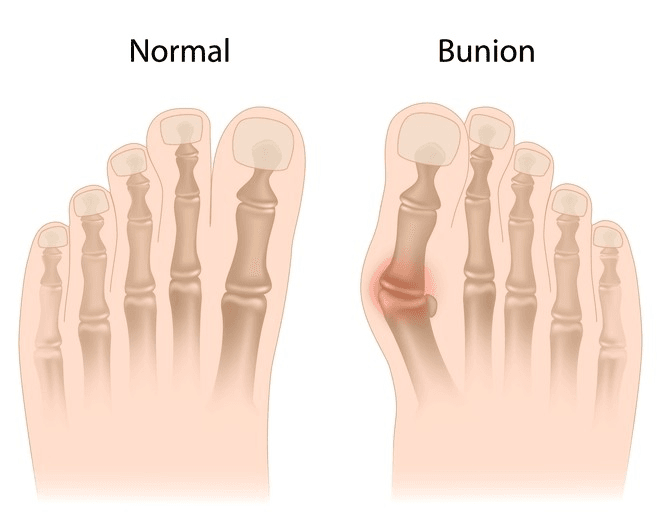
Bunions are one of the most common foot conditions we treat at FACEMED. They develop when the joint at the base of the big toe gradually shifts out of alignment, causing the toe to angle inward and the joint to protrude outward. Over time, this can become increasingly painful, affect footwear choices, and make patients feel self-conscious in sandals or open shoes.
At FACEMED, bunion correction surgery is performed as part of our specialised Day Case Foot and Ankle Surgery service, meaning most patients can return home the same day.
Modern bunion surgery is far more advanced than many people expect. The aim is not simply to shave down the visible bump, but to properly realign the underlying bone structure and improve overall foot function. Depending on the severity of the bunion, treatment may involve bone realignment, joint stabilisation, tendon balancing, and correction of toe positioning.
For milder cases, we would usually start by assessing whether footwear changes or pressure management may help symptoms. However, where the bunion is progressing, painful, or affecting daily life, surgical correction is often the most effective long-term solution.
How Do You Fix a Hammertoe?
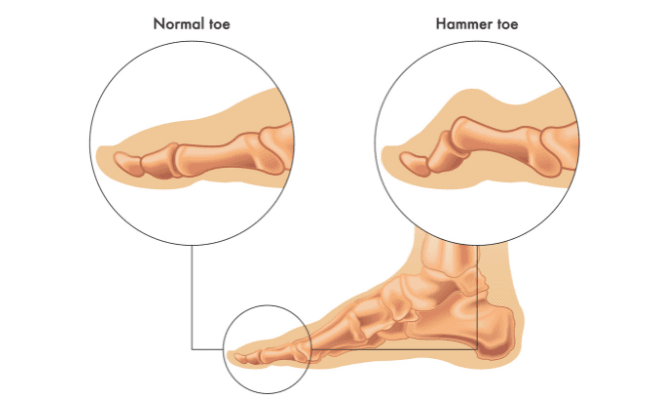
Hammertoes occur when one or more toes become bent or contracted, often due to muscle imbalance, longstanding pressure from footwear, or changes in foot structure over time. They can cause rubbing, corns, pressure sores, pain in shoes, and increasing difficulty wearing sandals or fitted footwear comfortably.
Treatment depends on how flexible or advanced the deformity has become. For milder cases, we would usually start with footwear advice, pressure relief, or orthotic support to reduce irritation and slow progression. However, when the toe becomes rigid, painful, or starts affecting daily comfort, surgical correction is often the most effective solution.
Hammertoe correction surgery aims to straighten the toe, reduce pressure points, and improve overall foot function and comfort. We often see bunions and hammertoes developing together, particularly where altered foot mechanics have been present for years. In these cases, correcting both problems together often delivers the best long-term outcome for comfort and footwear confidence.
What Are Foot Dermal Fillers?
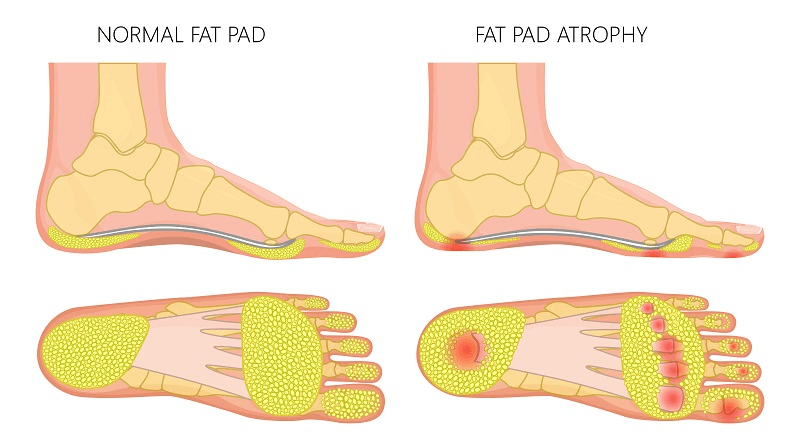
Foot Dermal Fillers are one of the most unique and increasingly requested treatments within foot aesthetics treatment.
As we age, the natural fat pads beneath the feet gradually thin. This reduces cushioning across pressure-bearing areas, particularly beneath the ball of the foot and heel.
Patients often describe symptoms such as:
- Feeling like they are “walking on bone”
- Burning pain in heels
- Discomfort wearing heels for long periods
- Pressure pain beneath the forefoot
- Increased sensitivity in thinner-soled shoes
Foot dermal fillers work by restoring cushioning in these high-pressure areas using carefully placed injectable filler.
The treatment is sometimes referred to as a “high heel filler” treatment because it helps improve comfort when wearing heels to weddings, events, holidays, or work functions.
Who Is Suitable for Foot Dermal Fillers?
The treatment is particularly useful for patients who:
- Wear heels regularly
- Have thinning fat pads beneath the feet
- Experience pressure pain in the ball of the foot
- Want a non-surgical solution
- Have discomfort despite otherwise healthy foot structure
- Want greater comfort during events or travel
Foot fillers are not designed to replace surgery where major structural deformities are present. Instead, they are often used for cushioning, comfort enhancement, and pressure redistribution.
Can Surgical and Non-Surgical Treatments Be Combined?
At FACEMED, combination treatment planning is often where the most transformative improvements occur.
For example:
- Bunion correction surgery may improve foot alignment and reduce pain
- Hammertoe correction may improve shoe comfort
- Foot dermal fillers may then improve cushioning for occasions and heels
This layered approach allows both the structural issue and the comfort aspect to be addressed together.
We often find patients are not simply looking for pain relief. They want confidence returning to summer footwear without constantly thinking about discomfort.
Is Summer a Good Time for Foot Treatments?
For surgical correction, timing should ideally allow for appropriate recovery before major holidays or events.
For non-surgical treatments such as foot dermal fillers, summer is often the exact time patients seek treatment because the results can improve comfort relatively quickly for sandals and occasion footwear.
The key is proper assessment and planning rather than rushing into treatment immediately before an important event.
FAQ
Are foot dermal fillers painful?
Most patients tolerate treatment very well. Numbing techniques are typically used to improve comfort during the procedure.
Can bunions come back after surgery?
Recurrence is possible if underlying biomechanics are not properly addressed, although modern surgical techniques are designed to minimise this risk.
How long is recovery after bunion correction surgery?
Recovery varies depending on the severity of the bunion and the exact procedure performed. Most patients can walk in a surgical shoe relatively early, although full recovery takes longer.
Do foot fillers stop heel pain completely?
They can significantly improve pressure-related discomfort, particularly beneath the ball of the foot, but results vary depending on the cause of the pain.
Can I wear heels after foot dermal fillers?
Many patients specifically choose the treatment to improve comfort in heels and occasion shoes.
Are hammertoes always painful?
Not always initially, but over time they commonly become irritated by footwear and pressure.
Can bunion surgery and hammertoe correction be performed together?
Yes. In many cases, combining procedures delivers better overall foot alignment and comfort.
Book a Consultation at FACEMED
Whether you are struggling with painful bunions, uncomfortable hammertoes, or pressure pain that makes summer shoes difficult to wear, treatment options are available that can improve both comfort and confidence.
At FACEMED in Billericay, Essex, our team provides advanced Day Case Foot and Ankle Surgery alongside specialised non-surgical foot aesthetics treatment, including Foot Dermal Fillers for cushioning and comfort.
Every foot is different, which is why consultation and careful assessment remain central to achieving the best possible outcome.
To find out which treatment approach may be most suitable for you, book a consultation with the FACEMED team today.